The Unauthorized Symphony: Big Tech's Exploitation of Music in AI Training
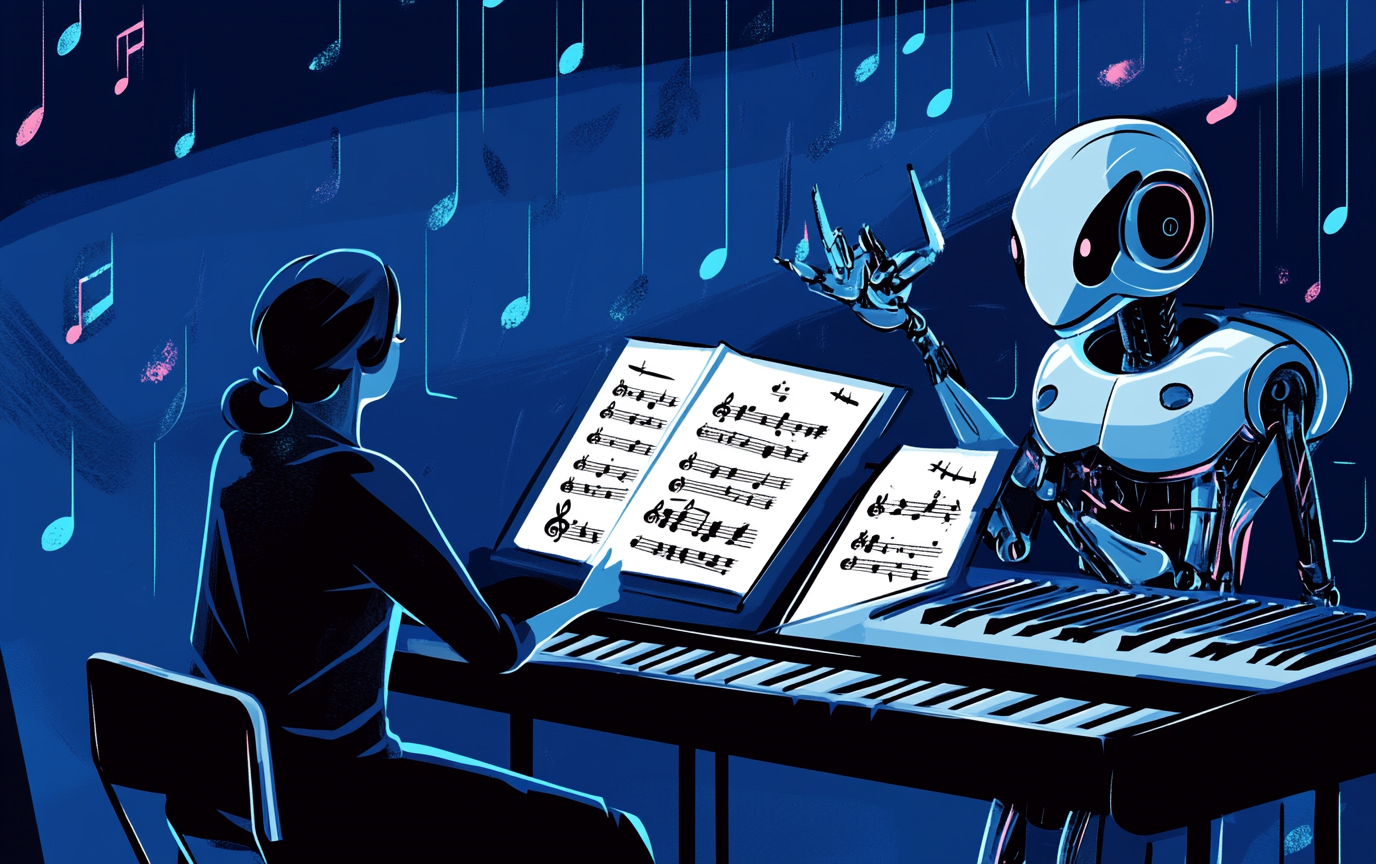
The rise of artificial intelligence has brought about groundbreaking innovations across industries, and the music sector is no exception. AI-powered tools can now compose, produce, and even perform music, blurring the lines between human creativity and machine output. But behind these technological marvels lies a troubling reality: much of the music used to train these AI models was obtained without proper authorization.
The Core Problem: Unlicensed Training Data
For many companies developing AI music generation tools, the answer to building effective models lies in massive datasets of music content that were leveraged without proper licensing or rights clearance. These companies often scrape music from streaming platforms, video sites, and online repositories, creating enormous training datasets without obtaining permission from the rights holders.
In most jurisdictions, music compositions, recordings, and performances are protected intellectual property. Using such content for commercial purposes — including training AI models — typically requires obtaining a license. Yet many tech companies sidestep this process, arguing that their use falls under "fair use" or similar doctrines.
Impact on Artists and the Music Ecosystem
The unauthorized use of music in AI training undermines the already fragile ecosystem of the music industry. Many artists rely on royalties as a primary source of income. When their work is used without permission, they lose out on potential revenue streams and face the additional threat of being overshadowed by AI-generated competitors.
For independent artists and smaller labels, the impact is even more pronounced. These creators lack the legal resources to challenge Big Tech companies, leaving them vulnerable to exploitation. The power imbalance between individual artists and multinational technology corporations makes it extraordinarily difficult for creators to protect their rights.
The Legal Gray Area
The legal landscape surrounding AI training and copyright is still evolving. While some jurisdictions have begun to address these issues, there is no global consensus on whether using copyrighted music for AI training constitutes infringement. This ambiguity has allowed tech companies to operate in a legal gray area, often to the detriment of creators.
Several high-profile lawsuits are currently making their way through the courts, and their outcomes could set important precedents for the industry. Until clear legal frameworks are established, the exploitation of music for AI training is likely to continue.
Broader Industry Consequences
If large tech companies can bypass licensing requirements without facing significant consequences, smaller players may follow suit, leading to a widespread devaluation of music as intellectual property. This could discourage artists from creating new works, ultimately impoverishing the cultural landscape.
The ripple effects extend beyond individual artists. Music publishers, record labels, and collecting societies all depend on licensing revenue to fund their operations and support their rosters. A collapse in licensing compliance could destabilize the entire music industry value chain.
MatchTune's Response: DeepMatch
In response to these challenges, MatchTune recently launched DeepMatch, a groundbreaking tool designed to identify whether a song was generated by AI and, if so, trace its origins. Using advanced algorithms, DeepMatch analyzes audio fingerprints and patterns to determine if a track was created by an AI platform.
DeepMatch empowers rights holders, music libraries, and licensing agencies to verify the authenticity of music in their catalogs. By identifying AI-generated content, these organizations can ensure that proper licensing agreements are in place and that human creators receive fair compensation for their work.
The Path Forward
Addressing Big Tech's exploitation of music in AI training requires a multi-faceted approach. Stronger regulations, better detection tools, and industry-wide cooperation are all essential to protecting the rights of music creators. As AI continues to evolve, the music industry must adapt to ensure that innovation does not come at the expense of the artists who make it all possible.