Understanding the Difference Between Personal and Commercial Music Use Online
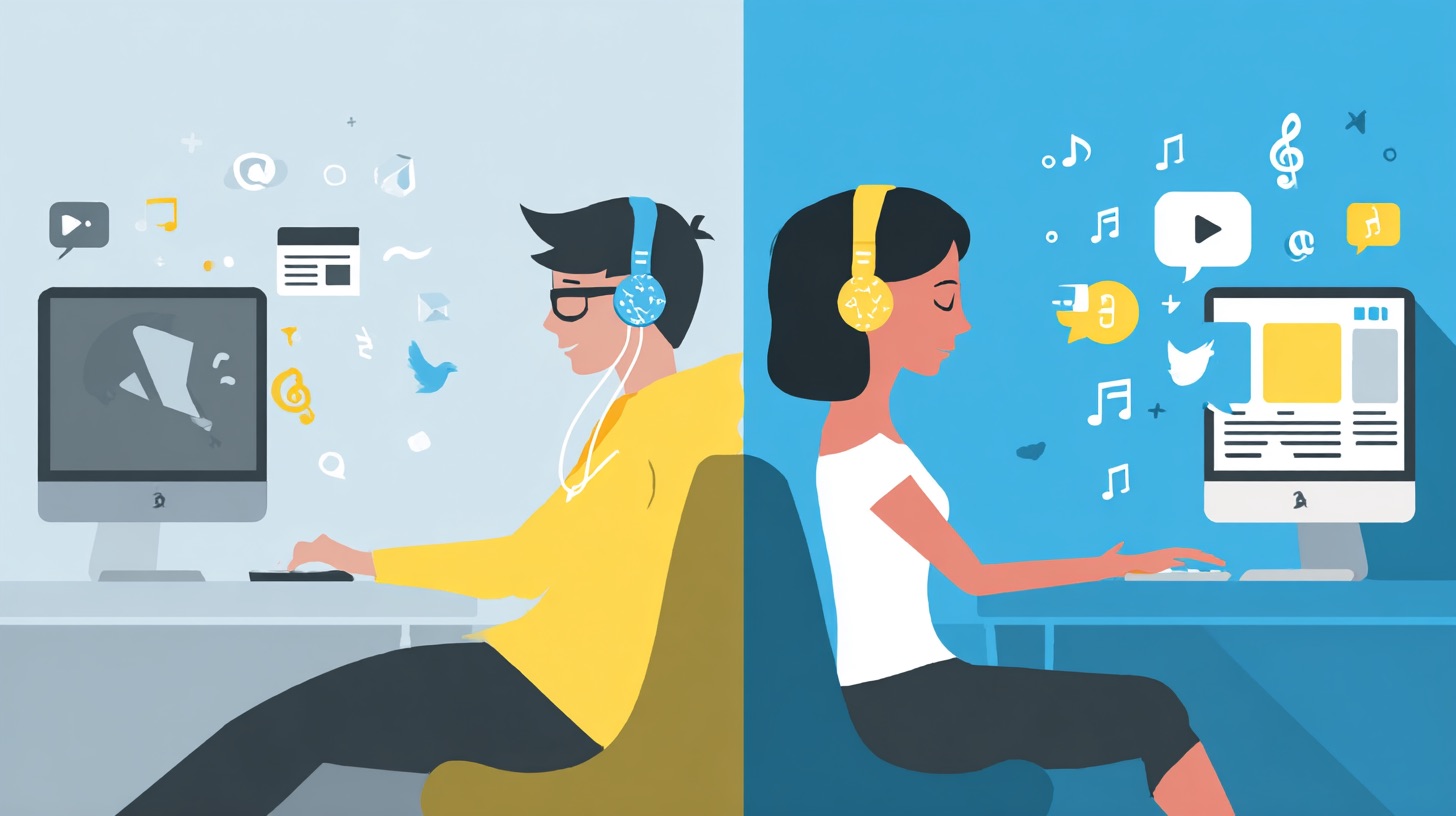
Music is woven into every corner of the internet — from TikTok trends to Instagram Reels to YouTube vlogs. But while it feels effortless to use, the rules governing who can use music, when, and for what purpose are anything but simple.
Brands frequently get caught in the crossfire, not because they intend to infringe copyright, but because they misunderstand a key distinction: the difference between personal and commercial music use online. This misunderstanding has already cost major organizations significant legal and financial consequences.
What Is Personal Music Use?
Personal music use refers to non-commercial, individual use of music in online content. This typically includes:
- An individual sharing a personal video with a popular song in the background
- Using platform-provided music libraries for personal creator accounts
- Non-monetized content shared with friends and family
- Personal playlists and streaming for individual enjoyment
Social media platforms generally have licensing agreements that cover personal use by individual creators. This is why everyday users can add trending songs to their Stories and Reels without worrying about copyright claims.
What Is Commercial Music Use?
Commercial music use applies whenever music is used in connection with a business, brand, product, or service — regardless of whether money directly changes hands. Commercial use includes:
- Brand social media posts and advertisements
- Product demos and promotional videos
- Corporate presentations and events
- Sponsored influencer content
- Website background music
- Any content created by or on behalf of a business entity
The critical distinction is that commercial use requires separate, explicit licensing — even when using the same songs that are freely available for personal use on the same platforms.
Why This Distinction Matters for Brands
Many brands operate under the assumption that if a song is available on a platform, it's available for any type of use. This is incorrect. Platform music libraries are typically licensed only for personal, non-commercial use by individual accounts.
When a business account — or content created on behalf of a business — uses these tracks, it falls outside the scope of the platform's licensing agreements. This exposes the brand to copyright claims, content takedowns, and potential legal action.
How to Stay Compliant
Brands can protect themselves by:
- Using music that is explicitly licensed for commercial use
- Working with royalty-free music providers that include commercial rights
- Obtaining direct synchronization licenses from rights holders
- Leveraging AI-powered music solutions like MatchTune for custom, fully licensed tracks
- Establishing clear internal policies about music usage in brand content
Understanding the line between personal and commercial music use is the first step toward protecting your brand from unnecessary legal risk.